01word games
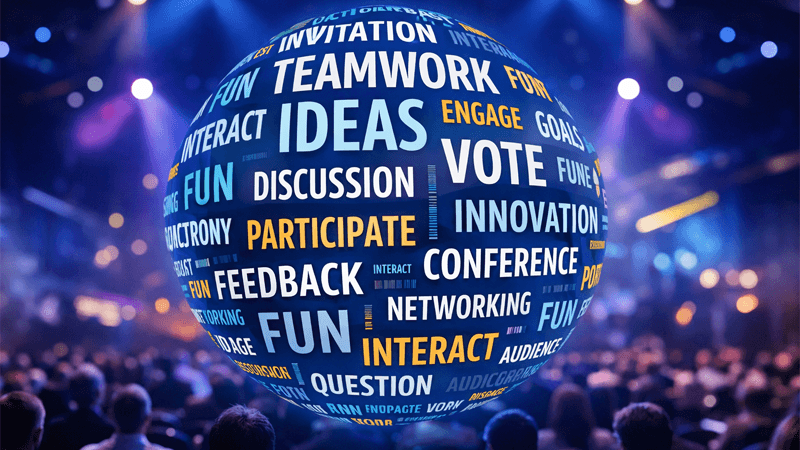
Live Word CloudTurn the audience's answers into a live, animated 3D word cloud on the big screen.
Every format ships with guest data capture, live analytics, and post-event reports — ready to brand and deliver for your next client activation.
Turn the audience's answers into a live, animated 3D word cloud on the big screen.
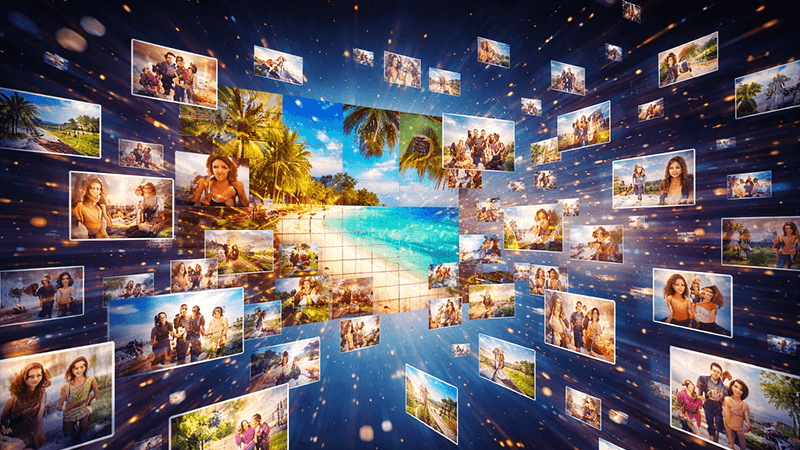
A digital mosaic wall that builds one giant branded image out of guest photos, tile by tile, in real time.
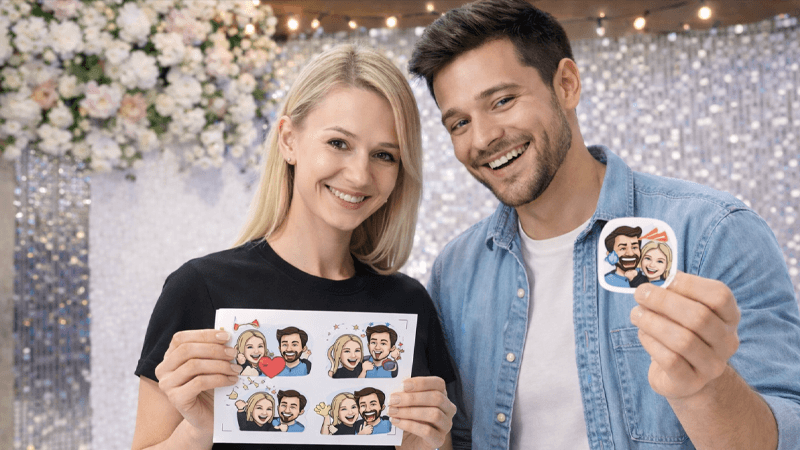
Full on-site sticker production — generate, deliver, print and plotter-cut custom stickers.
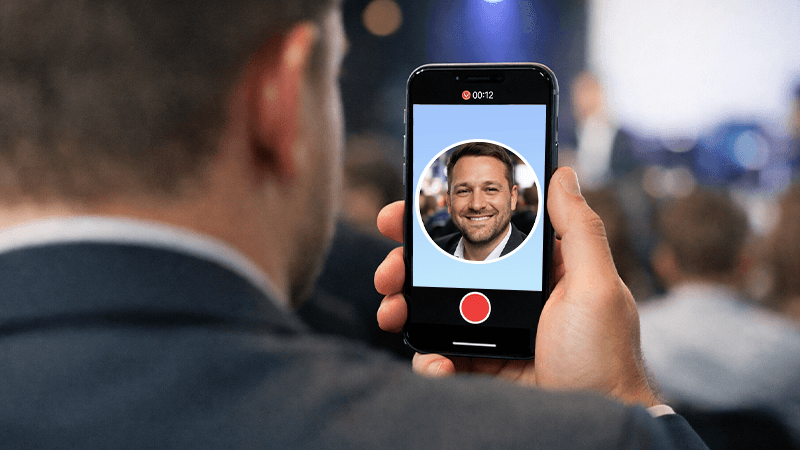
Collect short, branded circular video notes from guests for networking and feedback.

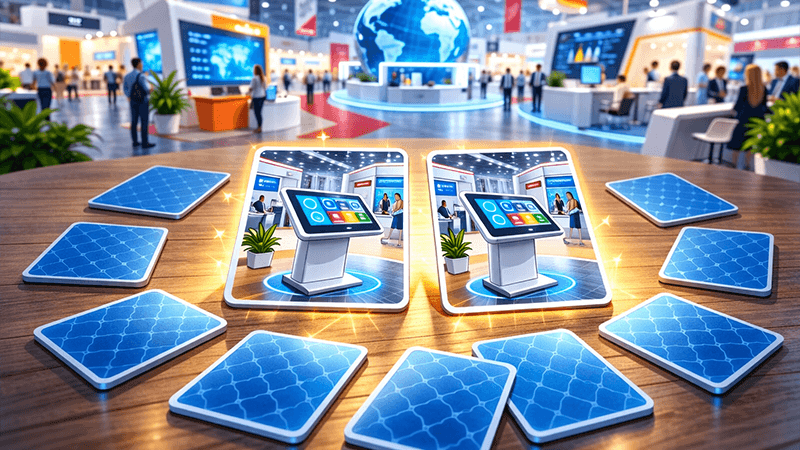
A branded memory-match game — flip and pair cards on the clock to top the leaderboard.
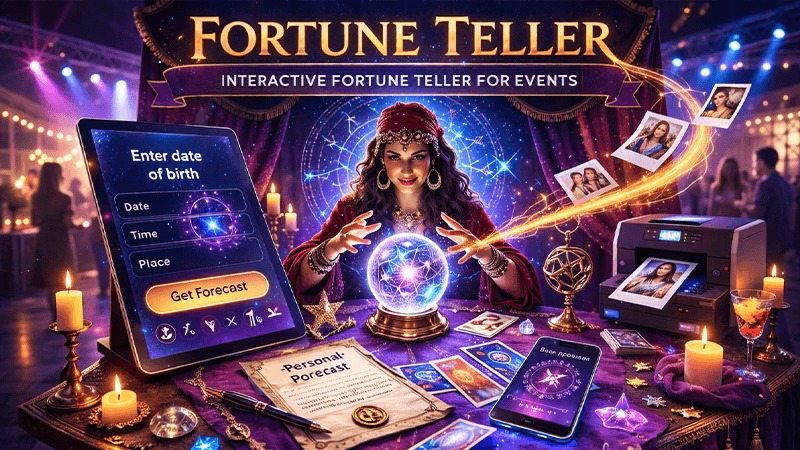
AI reads the guest's palm by camera and delivers a personalized, on-brand fortune.
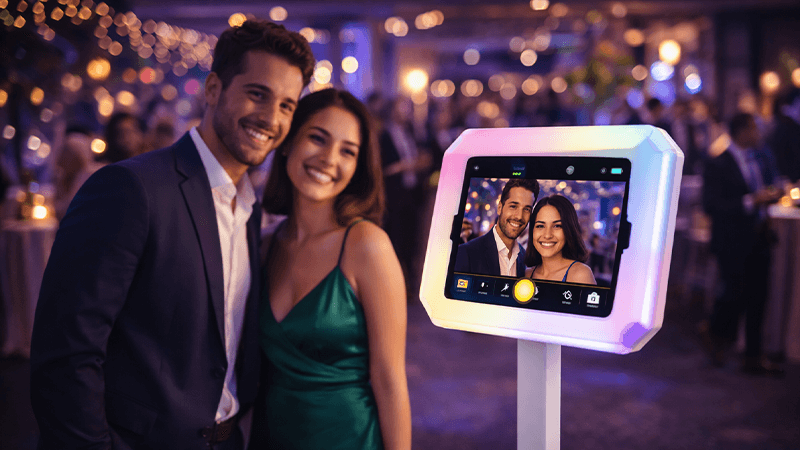
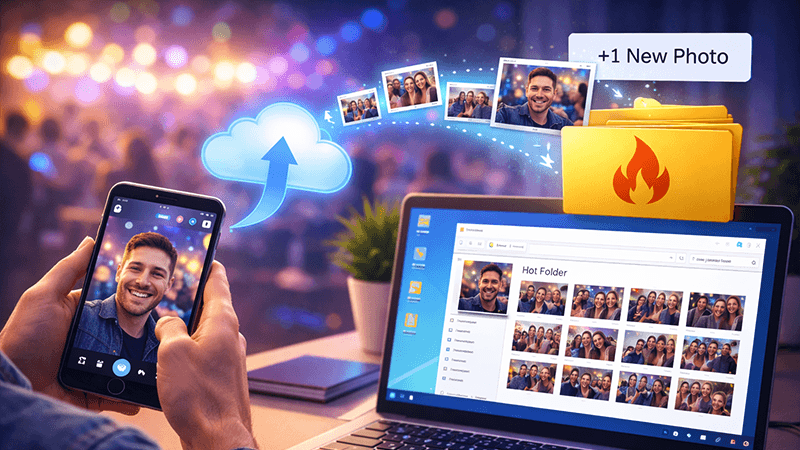
Route guest photos from any capture point to mosaic walls and print stations across the venue.
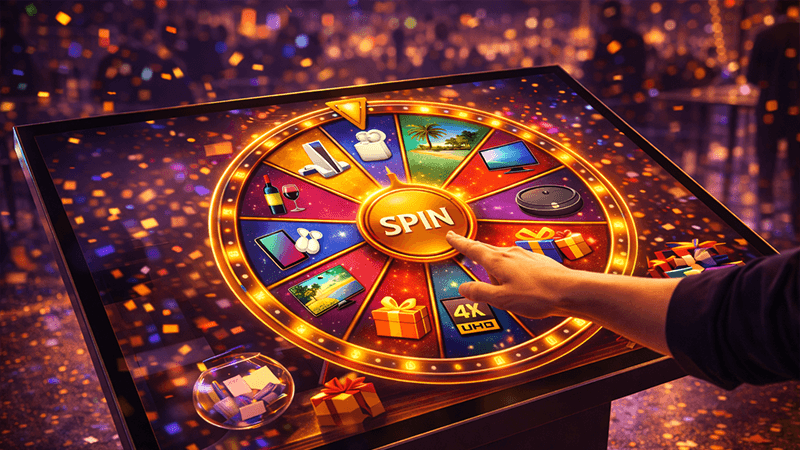
A spin-to-win prize wheel with branded segments and configurable prize logic.
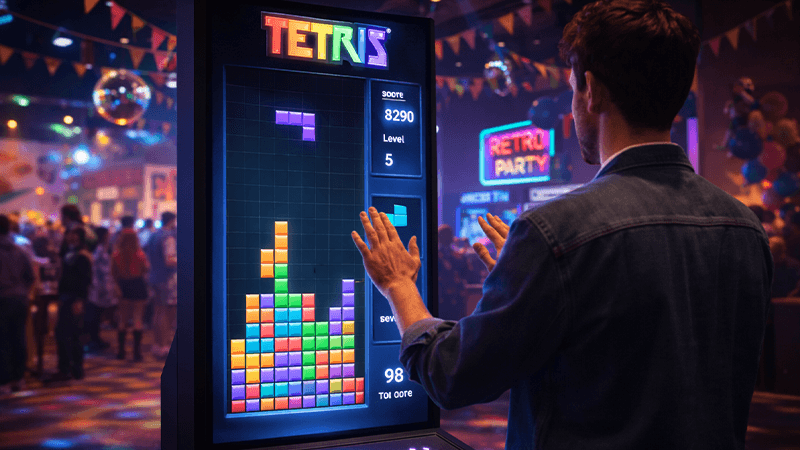
A falling-blocks puzzle controlled by hand gestures — no touch required.
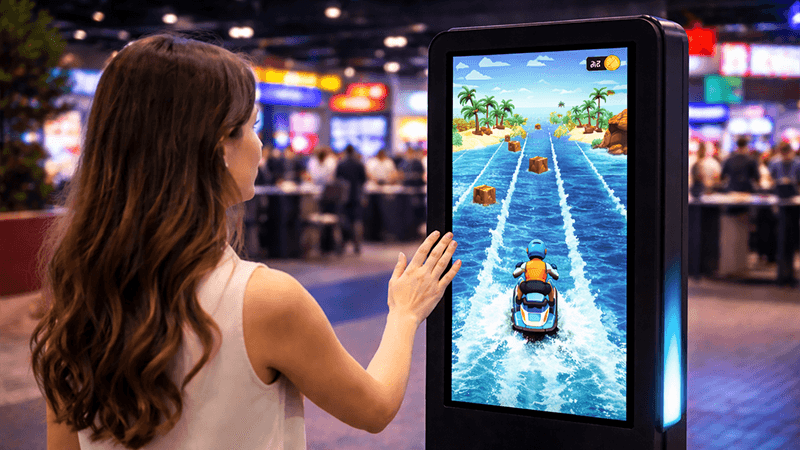
Fast-paced jet ski racing — dodge obstacles, collect stars, top the leaderboard.
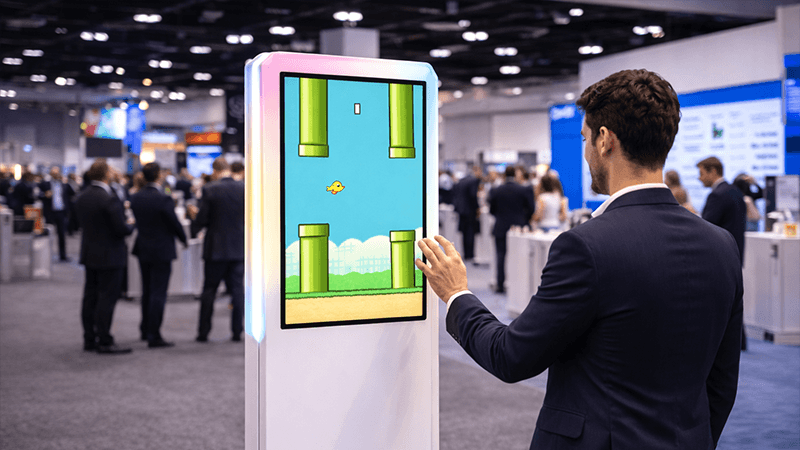
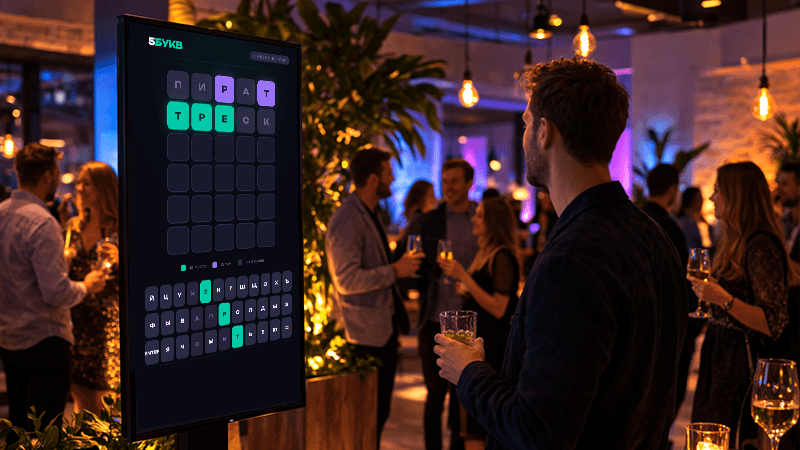
Guess the hidden word in limited tries — with your own brand word list.
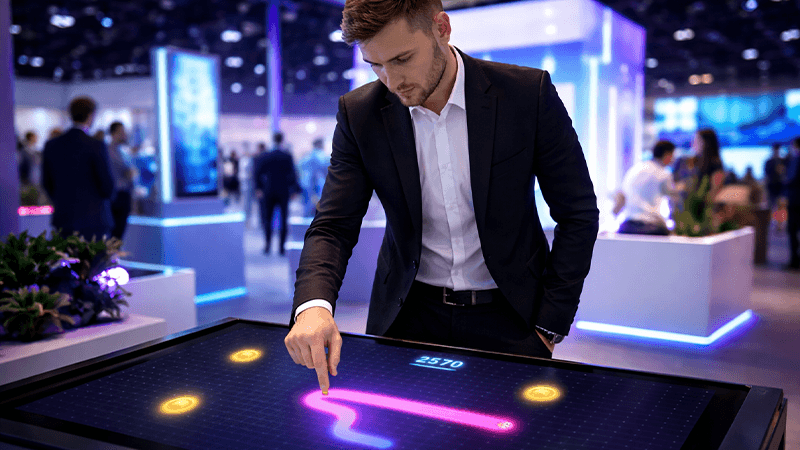
Classic snake with neon visuals and up to 4 players — collect, dodge, compete.

Turn guest photos into stereographic "little planet" images — real cut-out or AI scene.
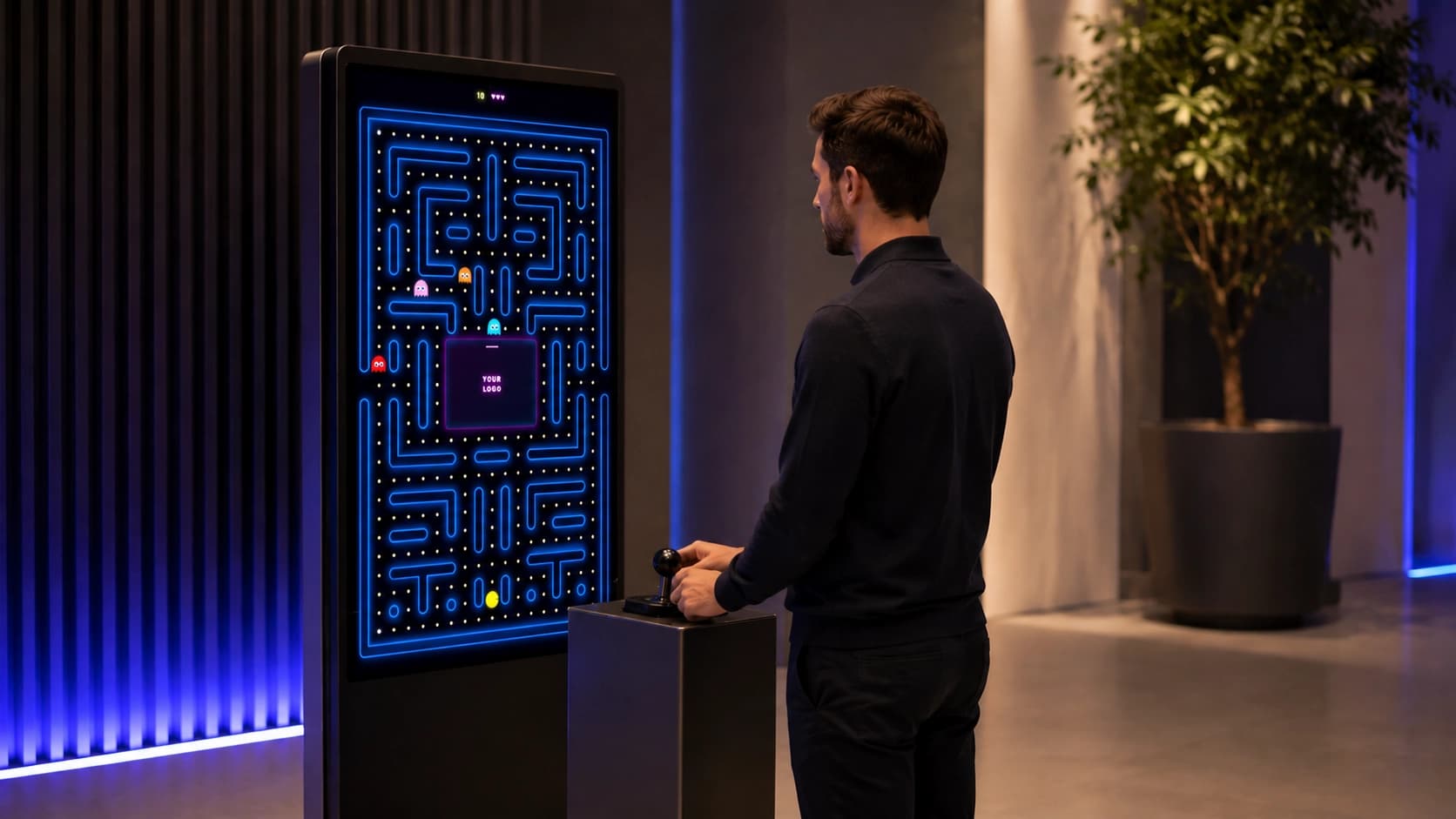
Guide your character through the maze, collect symbols and dodge the chasers.
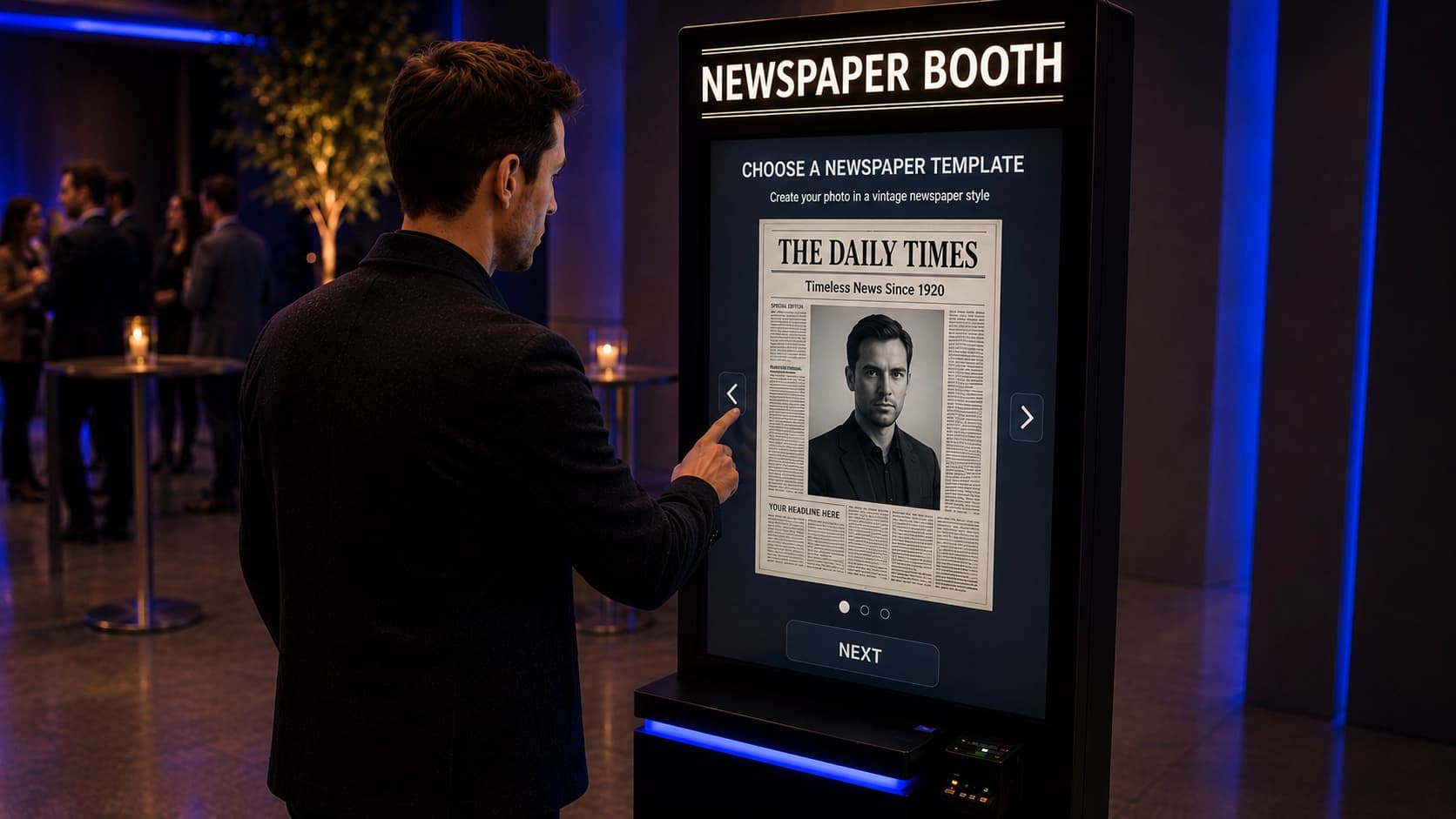
Put each guest on a personalized front page with their photo, real news and live weather.
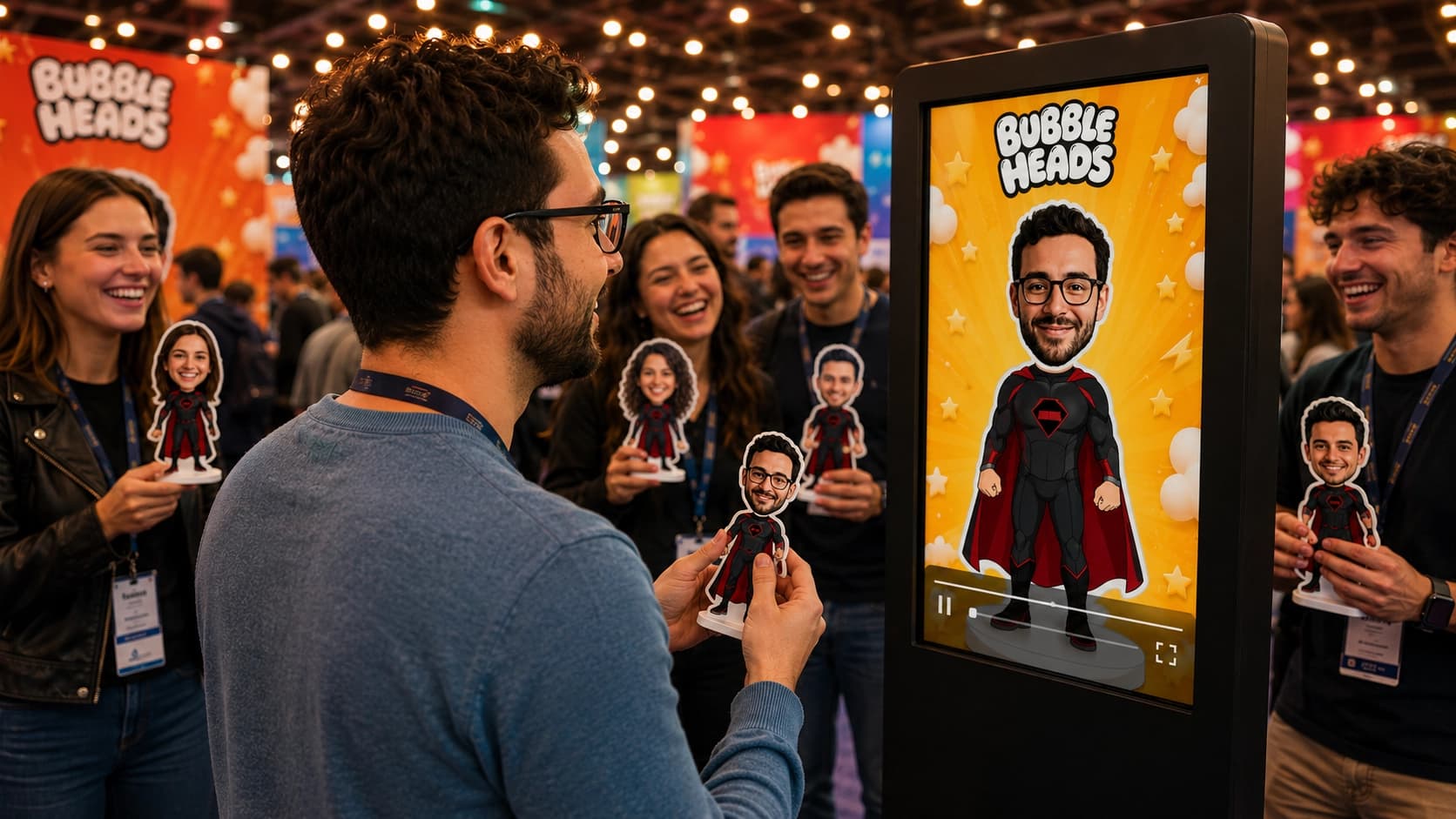
The guest takes a photo, and the head is automatically prepared for printing—no Photoshop or manual preparation required. In addition to the figurine, the guest receives a short branded video via QR code.
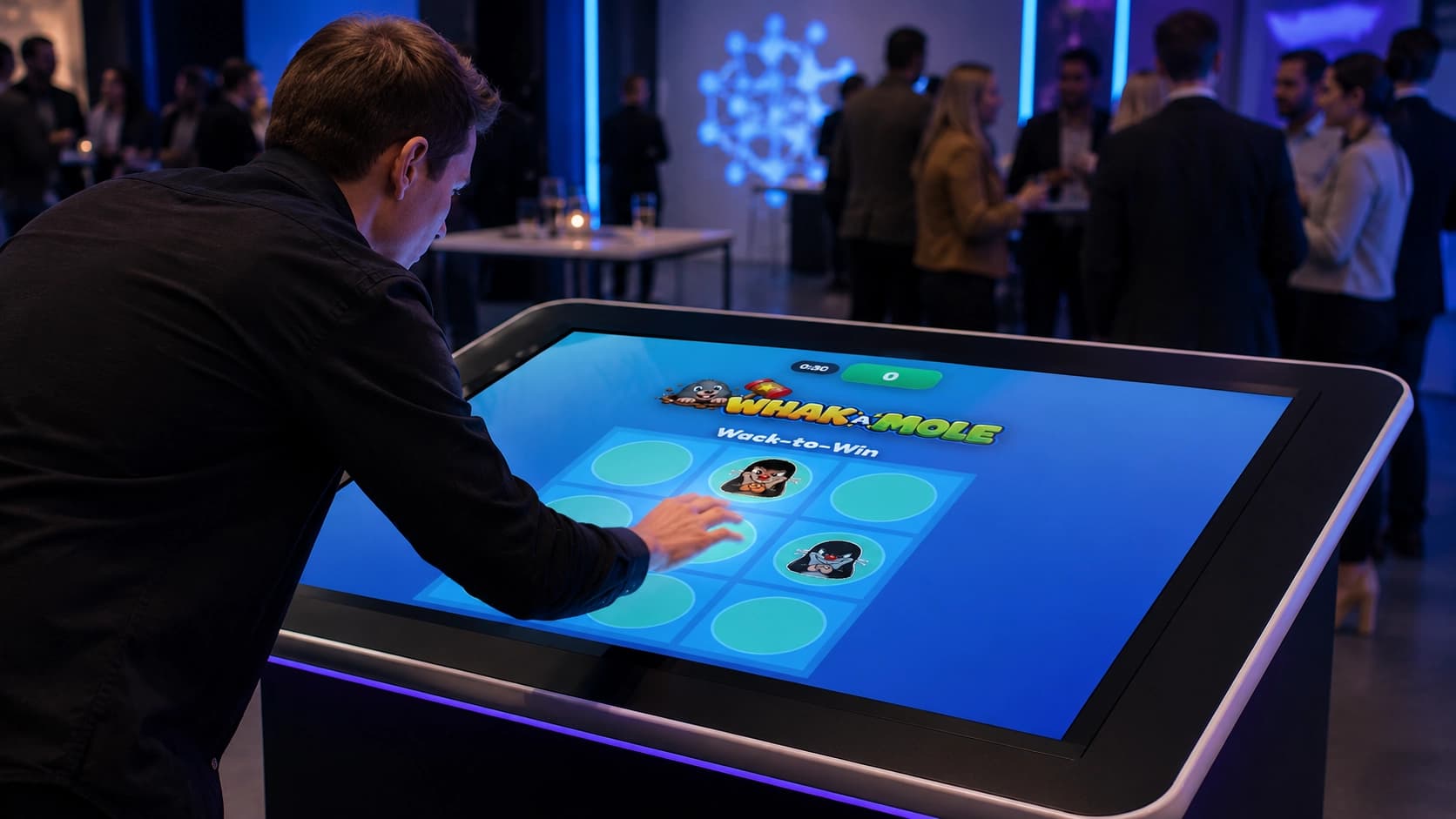
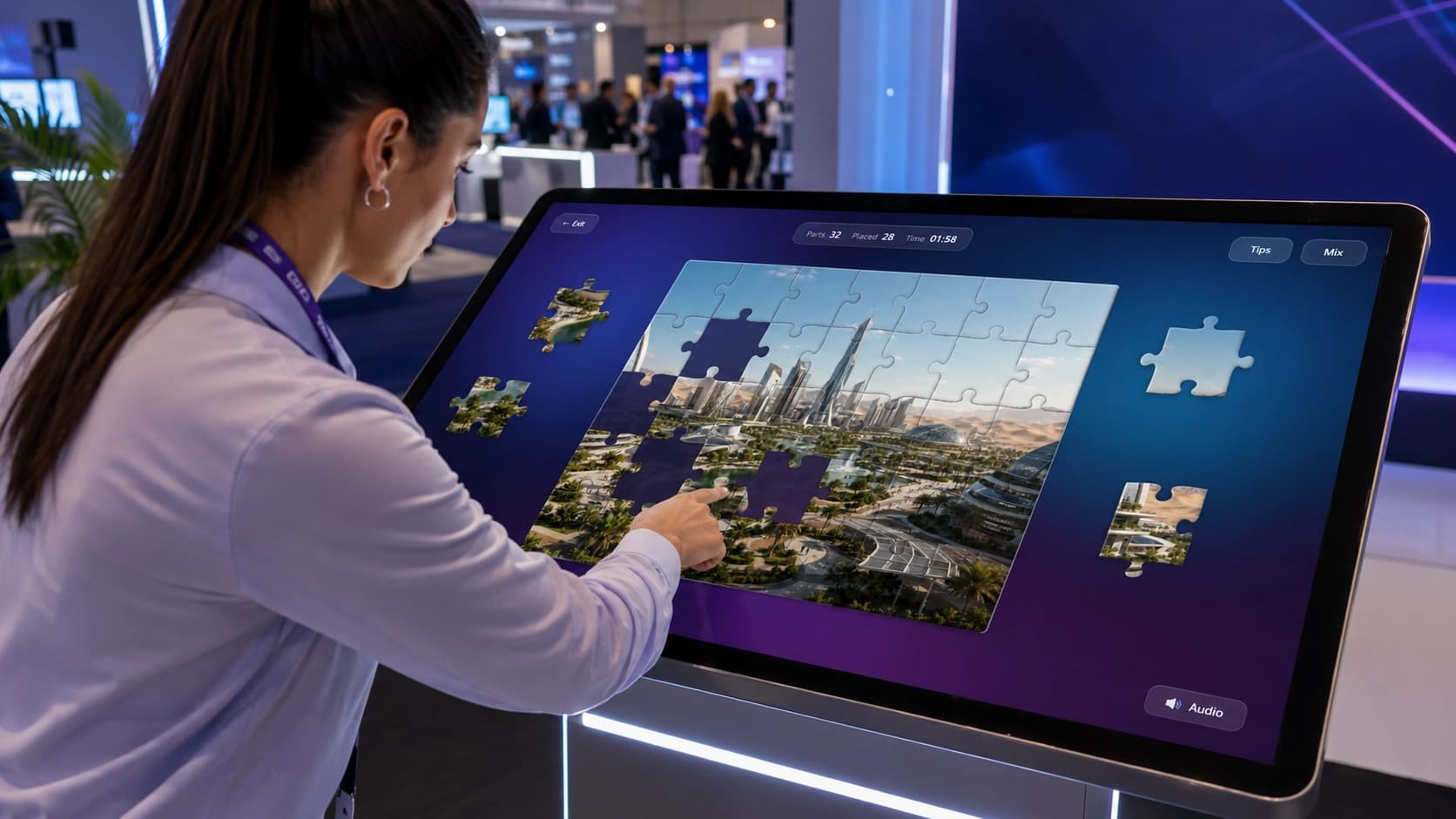
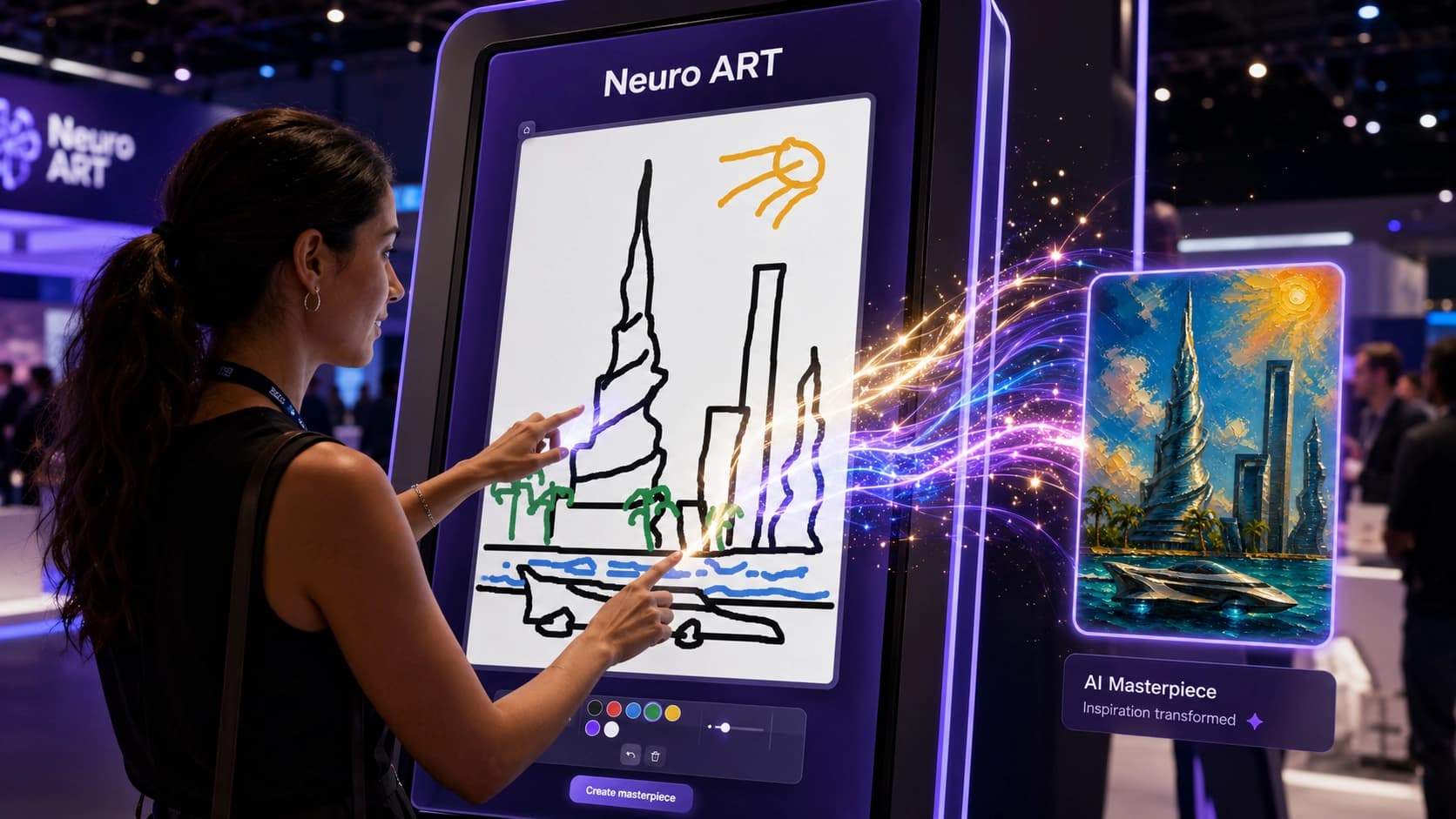
Guests sketch a drawing and AI turns it into finished, branded artwork.
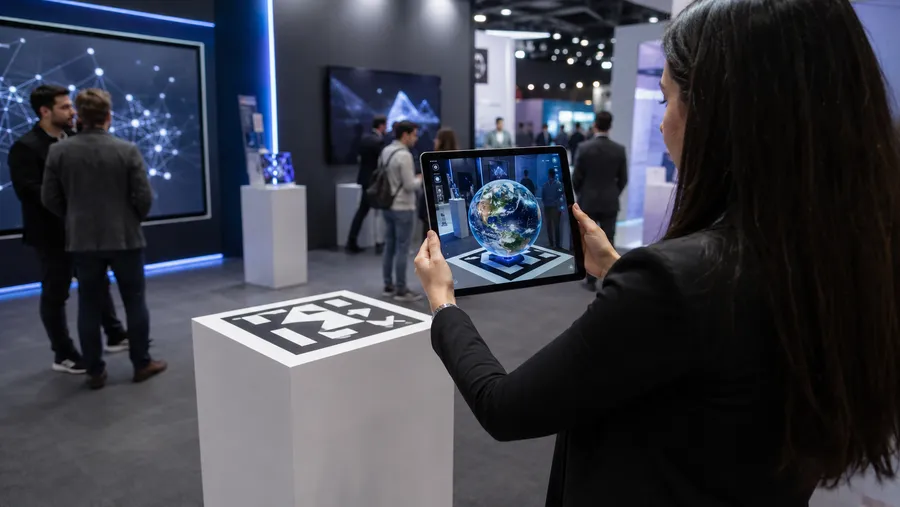
A guest scans a QR, points their phone at the marker card, and content springs up on it — a 3D model, a photo or a video. No app to install: it all runs in the browser. Operators pick a ready template or upload their own marker and content, and set how the object sits, its size and whether guests can spin and zoom it by touch.
Guests snap a selfie and AI turns it into a hand-drawn marker caricature — big head, bold outlines, bright color disc. Every sketch lands on a live wall that fills up through the event, can be printed on the spot and picked up by QR.
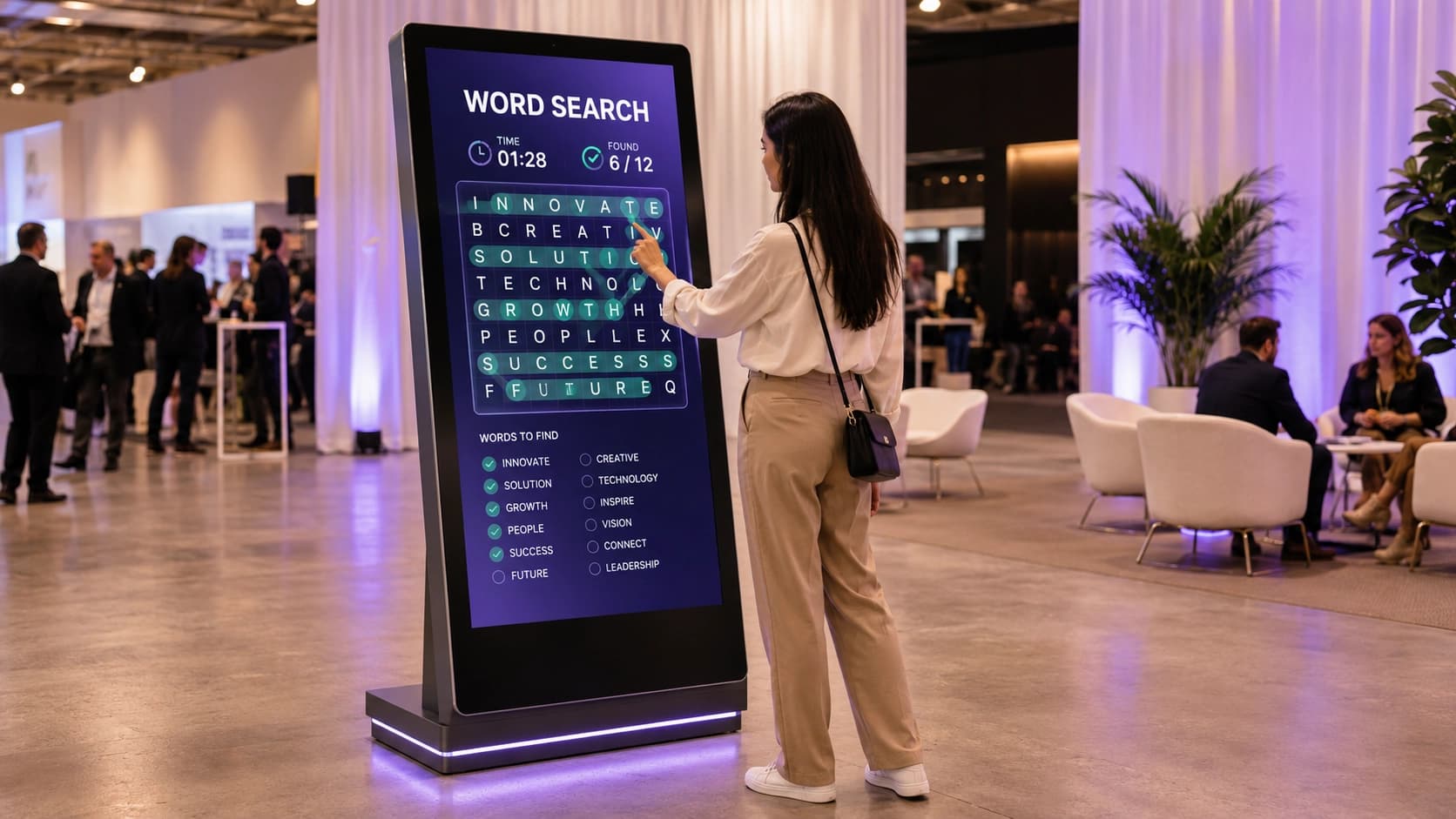
A classic find-the-words grid built from your own word list and brand theme.
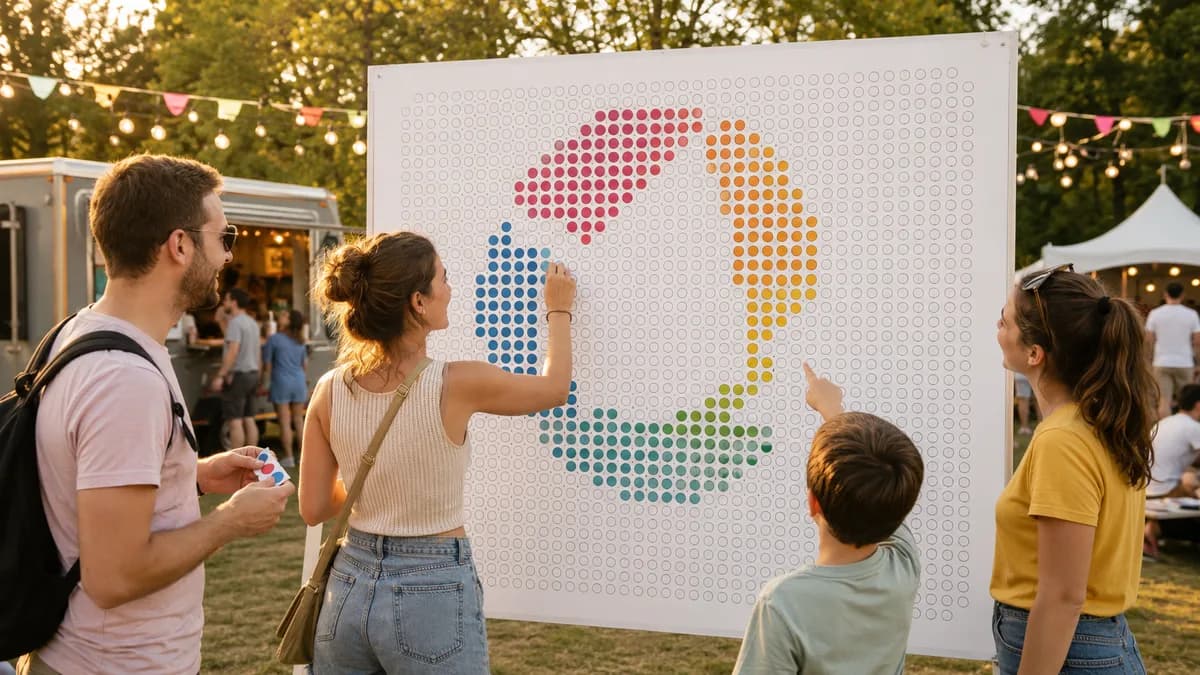
A physical group activity: a picture — a logo, an emblem, any artwork — is broken down into a grid of numbered circles and printed as a wall-sized backing sheet. Guests read the legend, take a round sticker of the matching colour and place it on its number. Over the event, thousands of stickers add up to a picture taller than a person, built by the crowd rather than by one person. The editor prepares the print file in real millimetres and works out how many rolls of each colour to buy. A digital colouring version ships alongside for guests who never reach the wall.
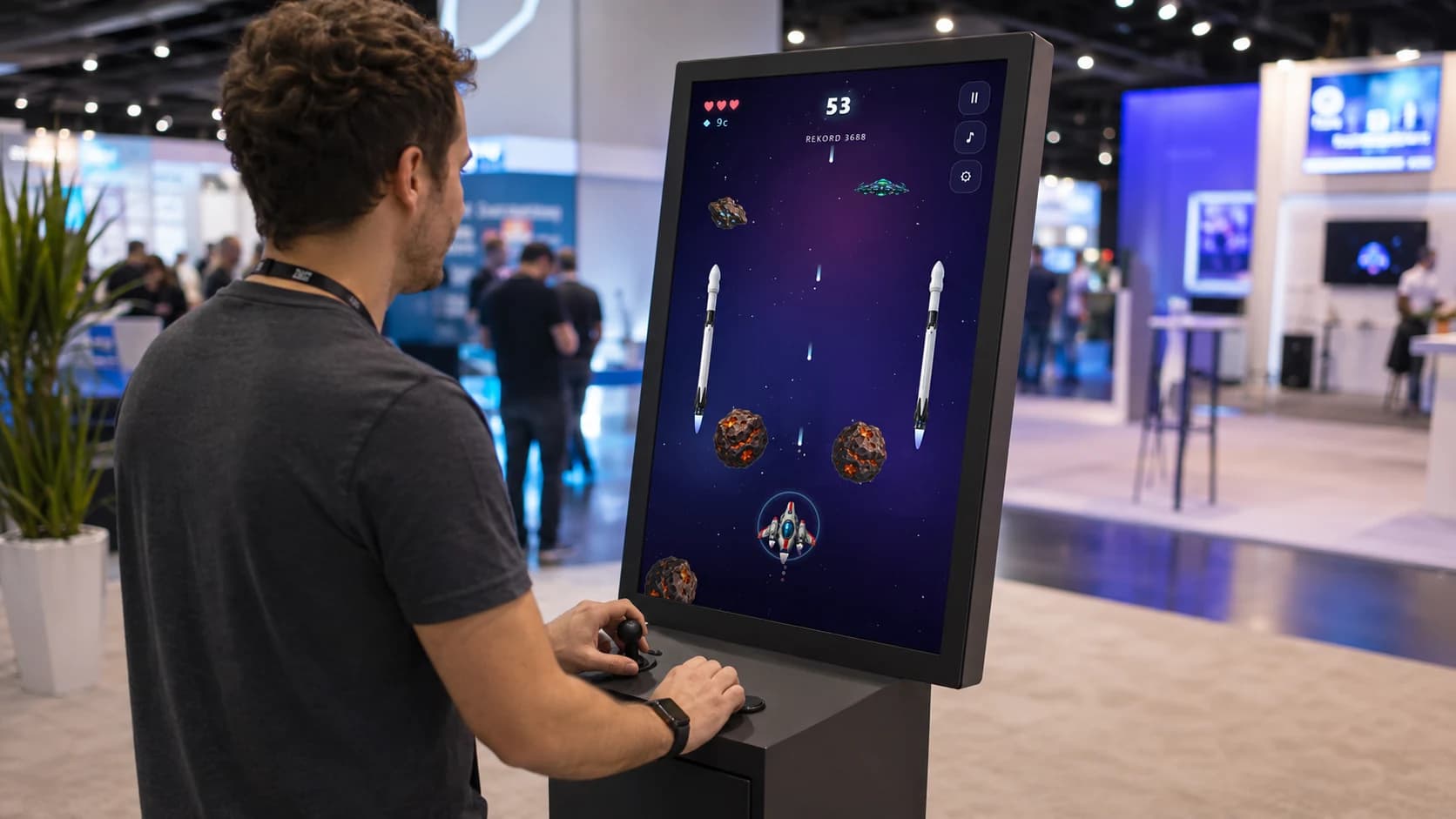
A vertical arcade shooter for events. The guest steers a ship across five lanes, the cannon fires by itself, and the job is to break meteors, dodge alien fire and pick up power-ups. Alien saucers telegraph a shot and then lead the ship, so standing still never works — the run rewards reading the field. Branding rides through the frame as an advertising banner towed by two rockets; in custom mode every asset — ship, rockets, meteors, bonuses, saucers — is replaced with the client's own artwork.
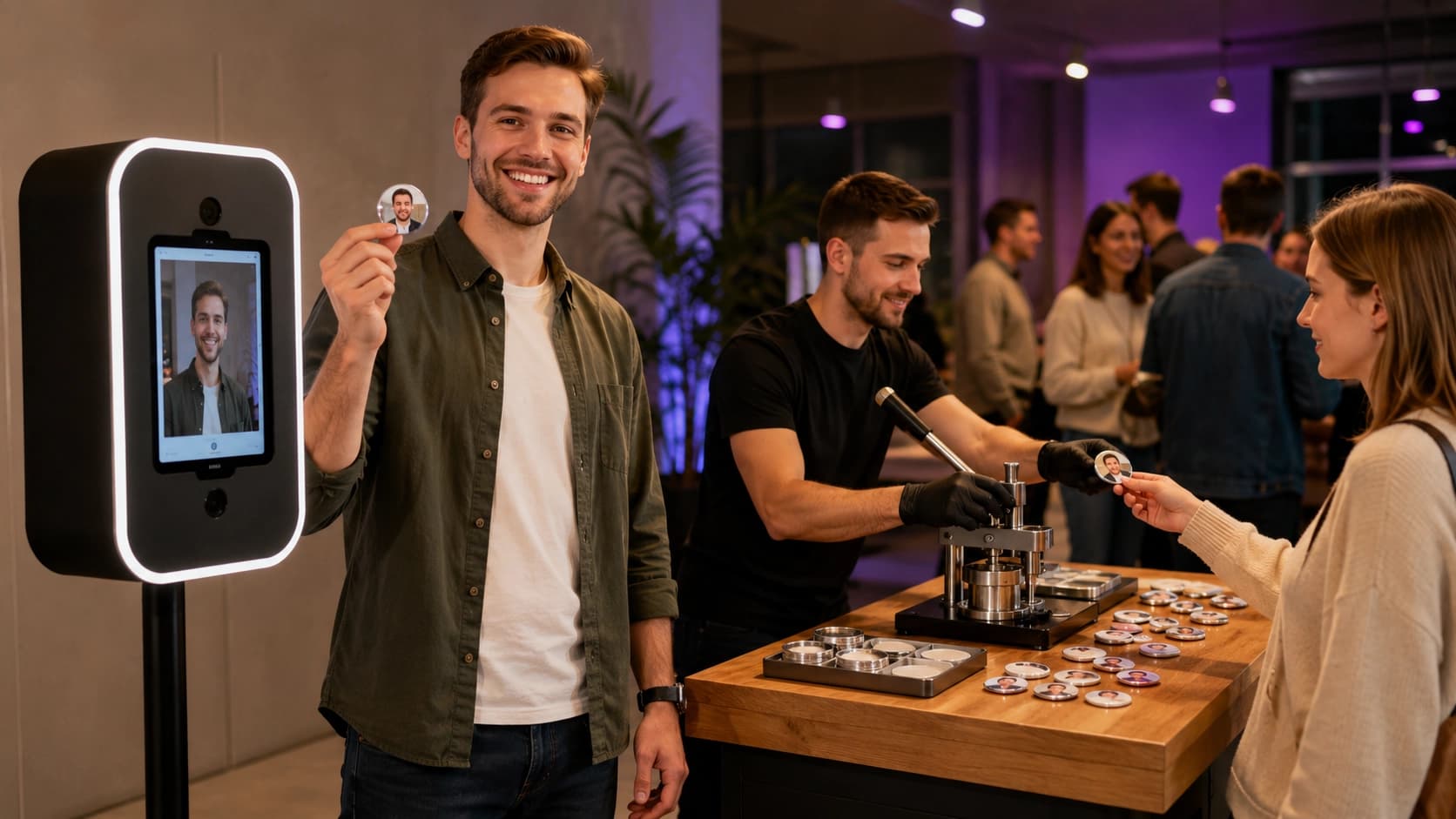
Guests snap a photo and walk away with a custom pin badge, pressed on the spot.
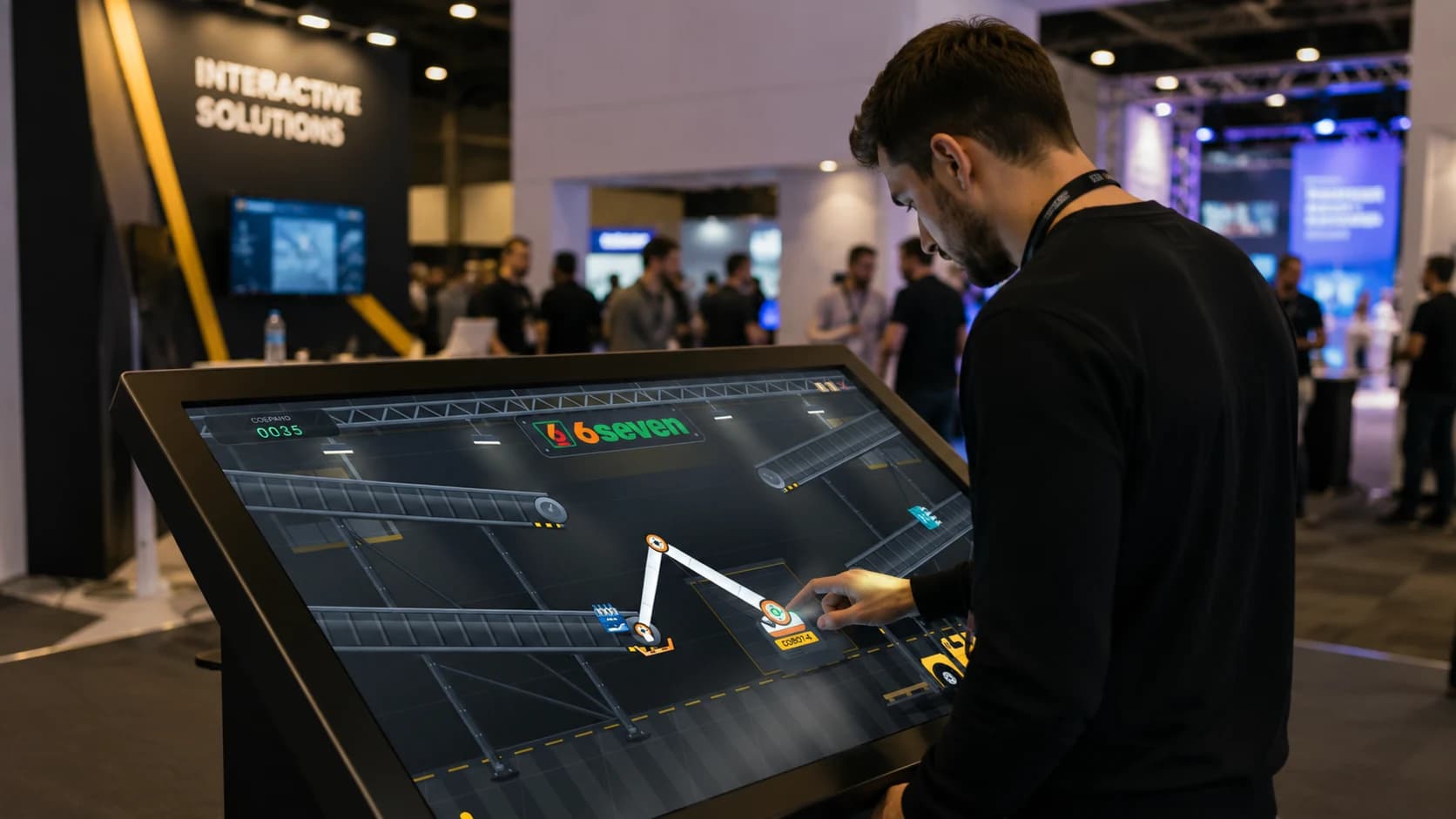
A warehouse arcade built around a robot arm. Crates come down four conveyors at once; the guest swings the cobot to the right belt and catches them into the tray, while a forklift hauls away each loaded pallet and brings an empty one. Three dropped crates end the shift. The client's product is the game piece: up to eight images ride the belts and stack on the pallet exactly as they were caught. Two stock sets ship with the game — a photographic grocery warehouse and the drawn shop floor — and a custom mode replaces the background and the goods with the client's own.
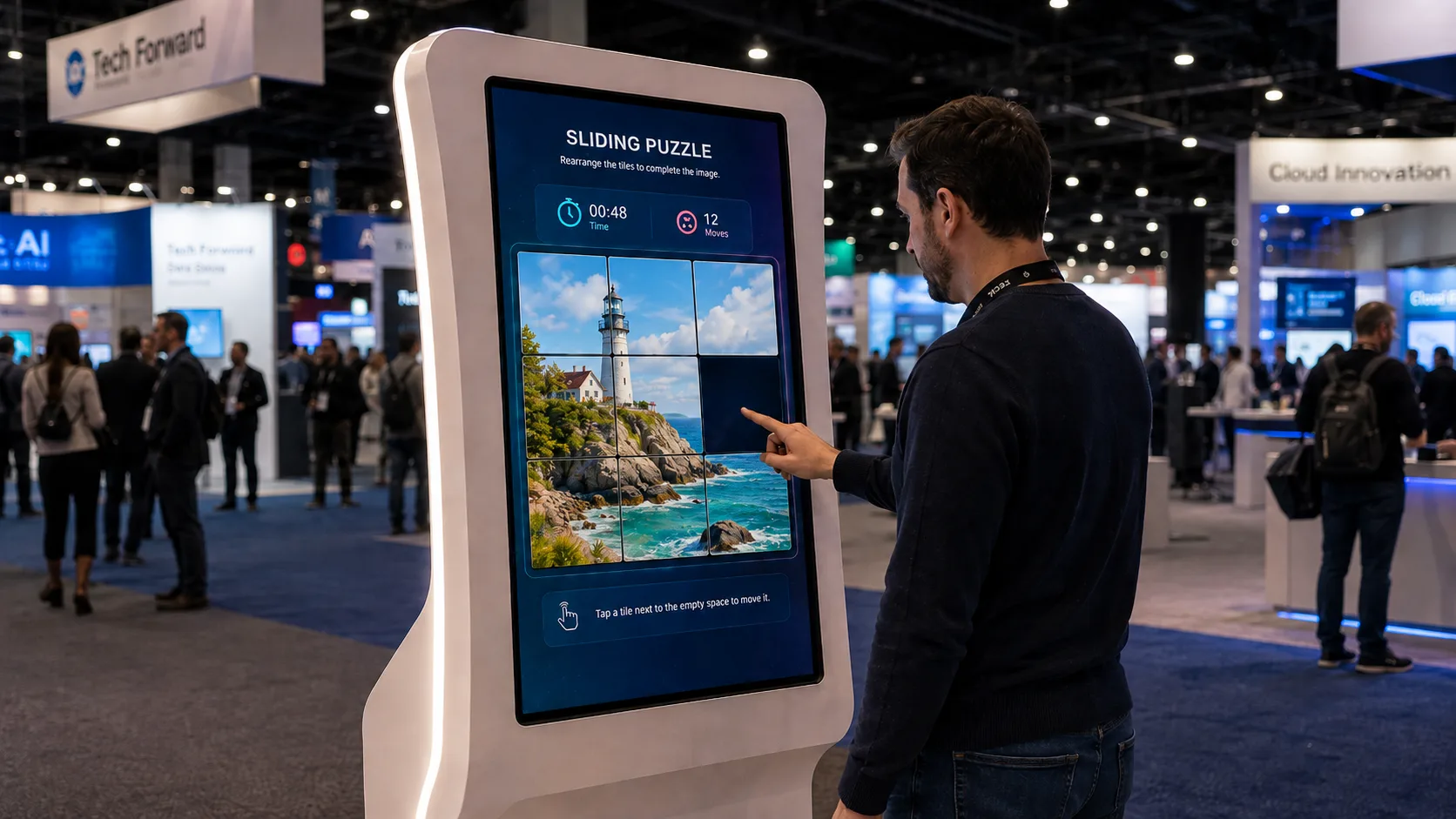
The classic sliding puzzle played on the client's own picture. Tiles start scrambled — always from a solvable layout — and the guest slides them back into place against a move counter and a clock; the moment the picture is right, the gaps close and it becomes a single whole frame. The operator fixes the difficulty (3×3 or 4×4) and picks which pictures are in play: three stock scenes ship with the game and up to ten of the client's own can be uploaded. The picture gallery can be shown to the guest or hidden — hidden, each round draws a random picture, so nobody in the queue memorises the layout.
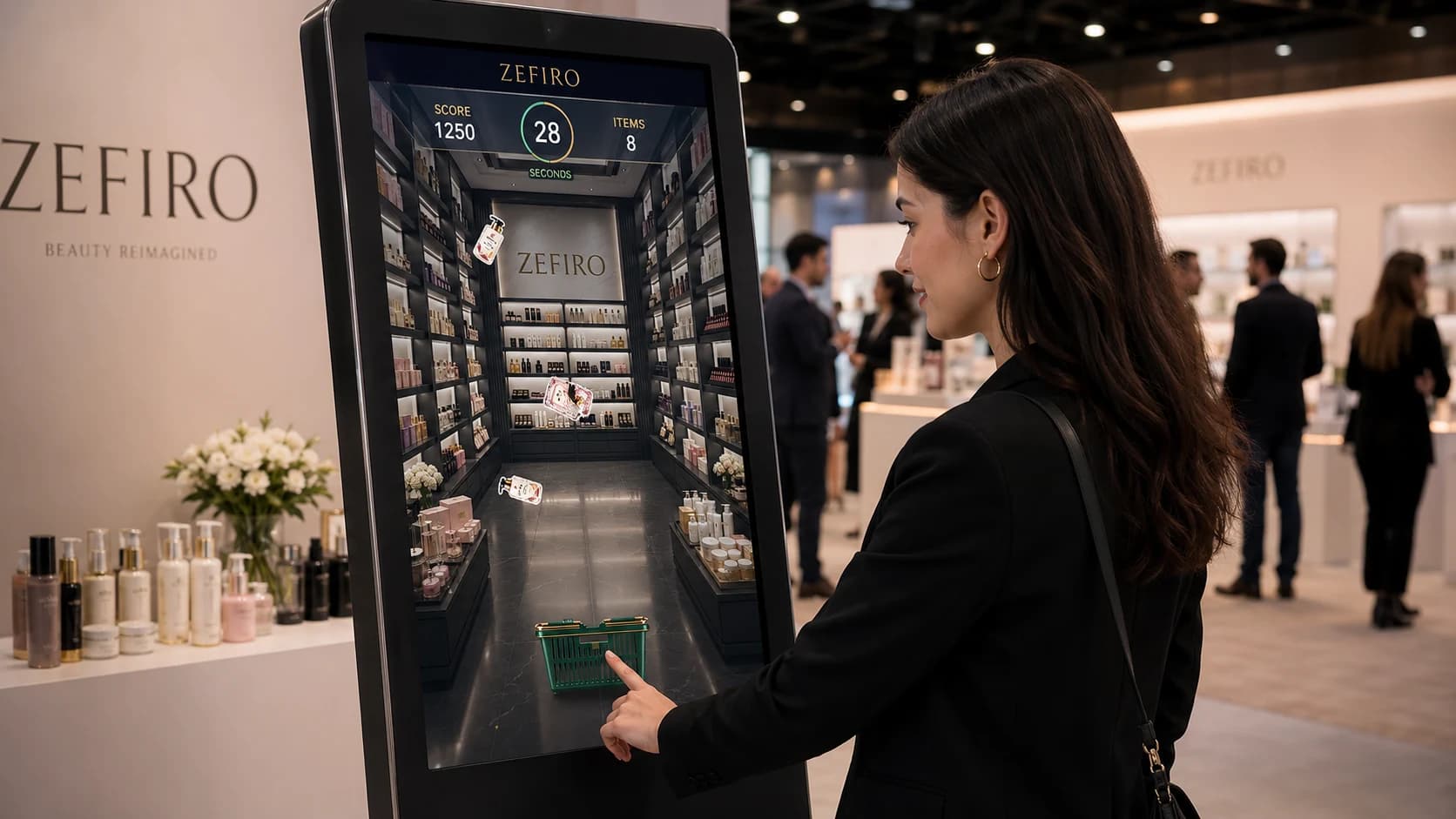
A basket arcade for events. Goods fall from the top of the screen and the guest slides the basket to catch them; a long clean streak makes every item worth more. A missed item costs a life, and a caught hazard costs a life plus twice the points a prize gives — so accuracy matters more than speed. The client's products are the game pieces: up to ten prize images and up to five hazards, and if no hazards are uploaded the game runs without them. The stock set — boutique backdrop, green basket and prize items — works straight out of the box.
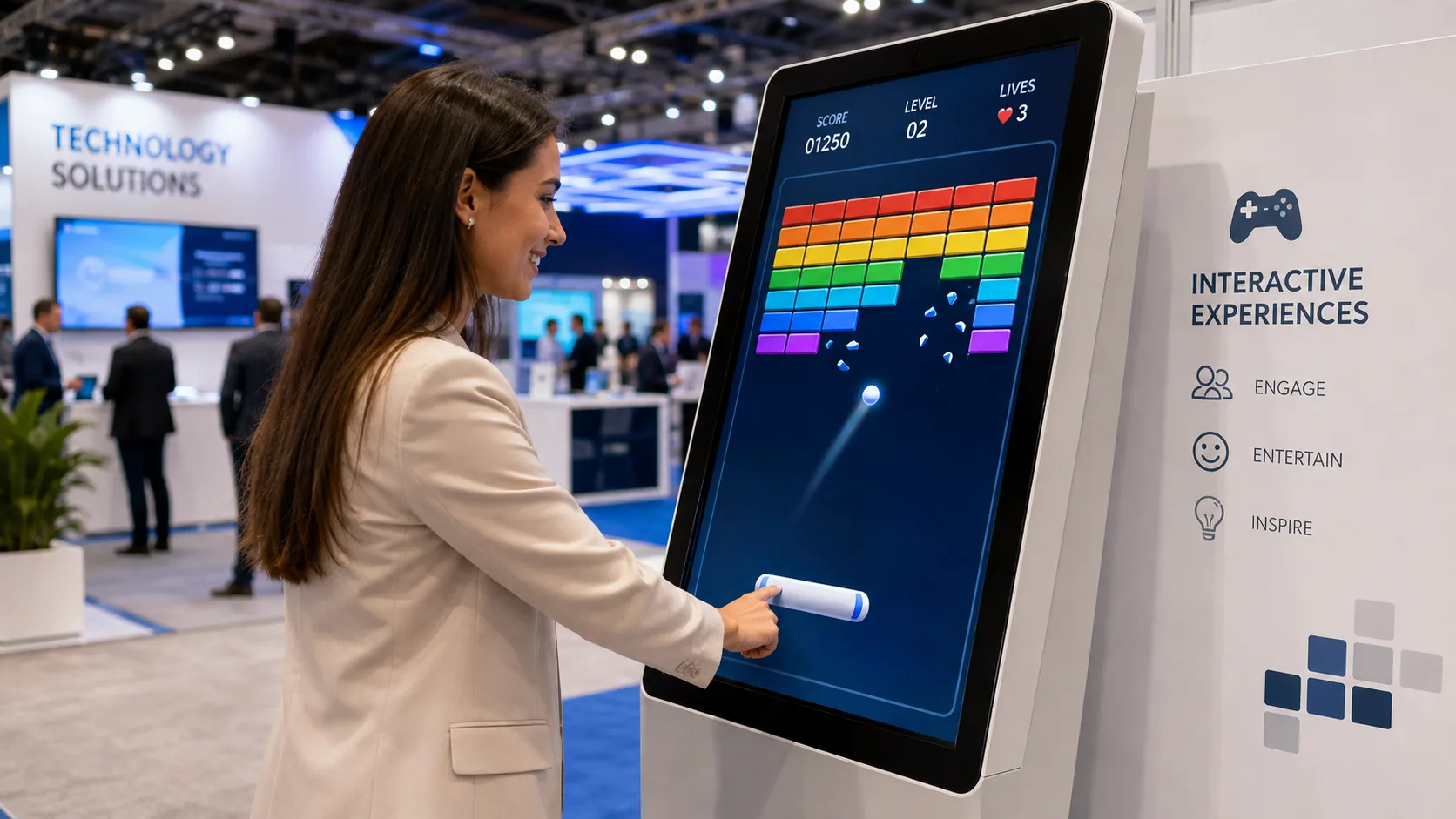
The classic block breaker with the client's picture underneath. The guest bounces the ball off the paddle and knocks out blocks; the 16:9 brand image shows through them matte and comes out sharp wherever they break, so the picture is uncovered by playing rather than shown as an ad. Two modes: classic, cleared level after level with the field getting denser and faster, and Find the Prize, where a prize is hidden under a random block. The operator sets everything up front — one of five block layouts, block density, lives, power-ups and their drop rate, the paddle banner and the block look. The result is timed, so a queue of guests can be ranked honestly.
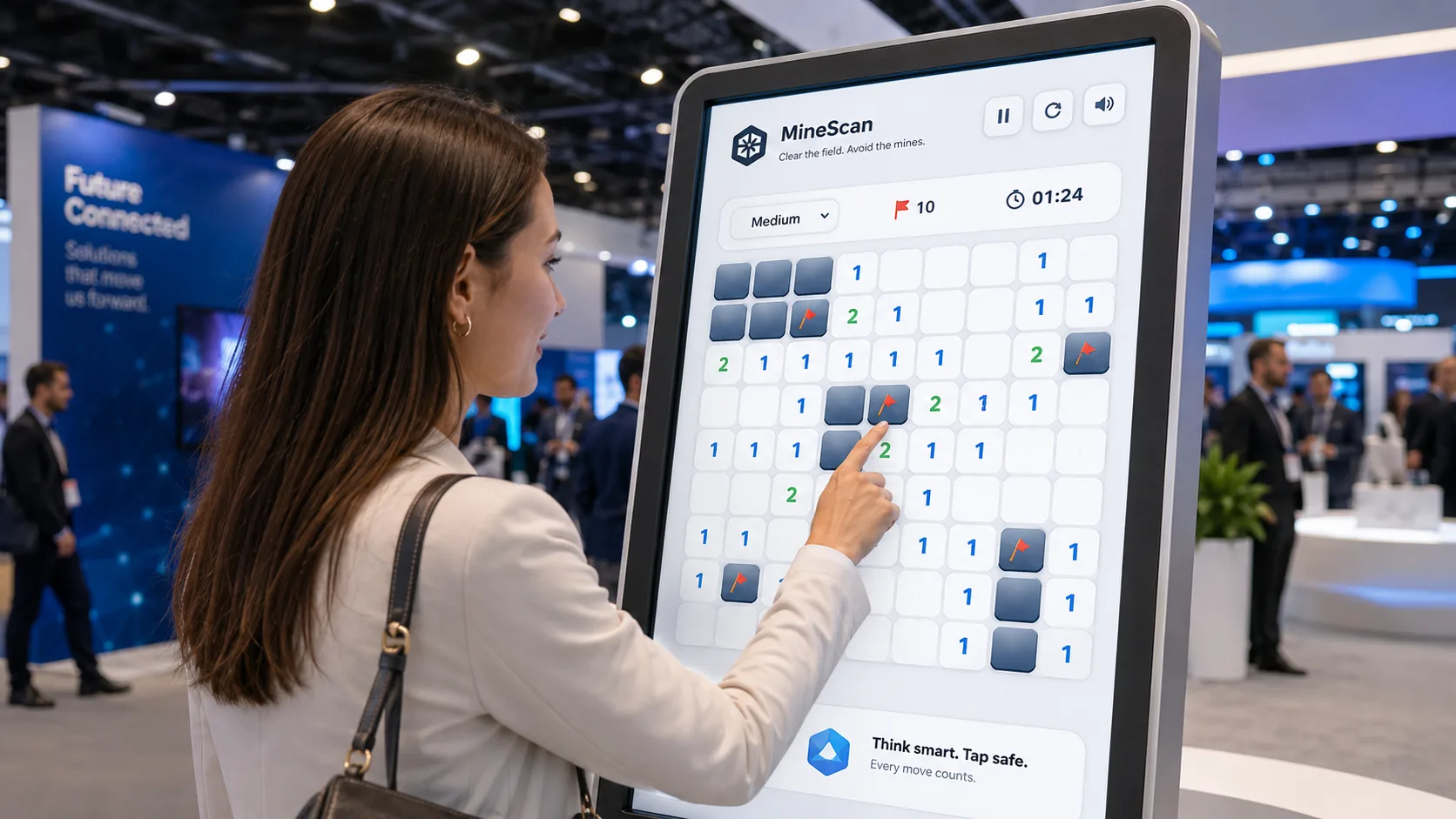
The classic minesweeper, redrawn as a board of raised tiles with real light and shadow. The guest opens tiles, reads the numbers and marks the ones to avoid; the first tap is always safe and empty areas open in a wave, so nobody loses on the first move. The wording is deliberately neutral — elements, not mines — and the theme comes from two icons the operator uploads: the element to avoid and the marker the guest places. Difficulty is fixed up front (9×9, 14×14 or 18×18), and the result is the time on the clock, with a personal best kept per difficulty.

The client's items fly up from below and the guest slices them with a fast swipe — several in one stroke to push the multiplier. Everything on screen is the client's: the targets, the positive items that double the score, the rare one that clears the whole screen at once, and the negative one that costs a life. Beyond finger and mouse, the guest can play with a hand in front of the camera — an open palm moves the pointer, a fist cuts — and the camera image itself is never shown, so nobody at the stand sees themselves on screen. Round length, lives and drop rates are all set by the operator; the result is a score with a personal best.
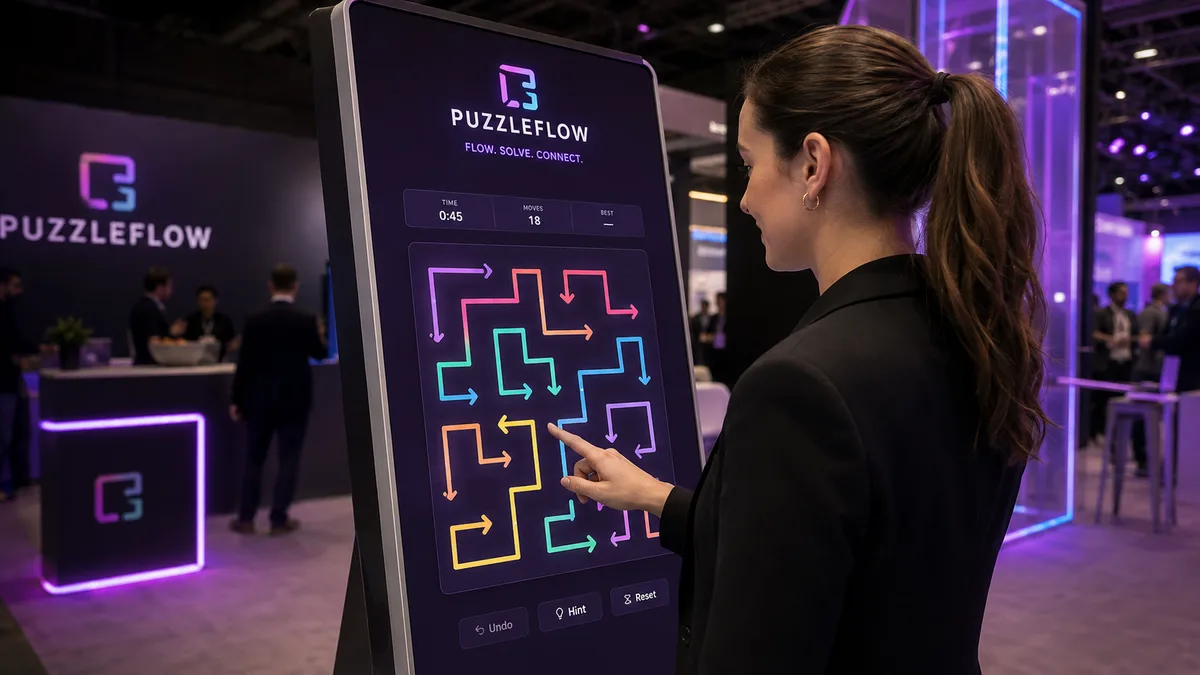
A square packed edge to edge with snake-shaped arrows. An arrow can leave only if its head has a clear straight path to the edge of the board — so the whole game is a search: read the tangle, find the one arrow that is free right now, tap it and watch it straighten out and slide away. Every board is generated fresh and verified solvable before the guest ever sees it, and freeing an arrow never blocks another, so nobody can get stuck. One run on a board of a fixed size, with a clock, a miss counter and a personal best. Six templates reskin the whole screen, from a quiet paper look to neon, and your logo sits above the board.